Talking Threads

Among the vast and diverse collections of the Pitt Rivers Museum is an important but largely unseen resource: its stunning collection of textiles and clothing from cultures around the world. While many of these collections have historically been documented from a Eurocentric perspective, using terminology more appropriate for describing Western dress, we now recognise the vital importance of self-representation for the communities who made and used them.

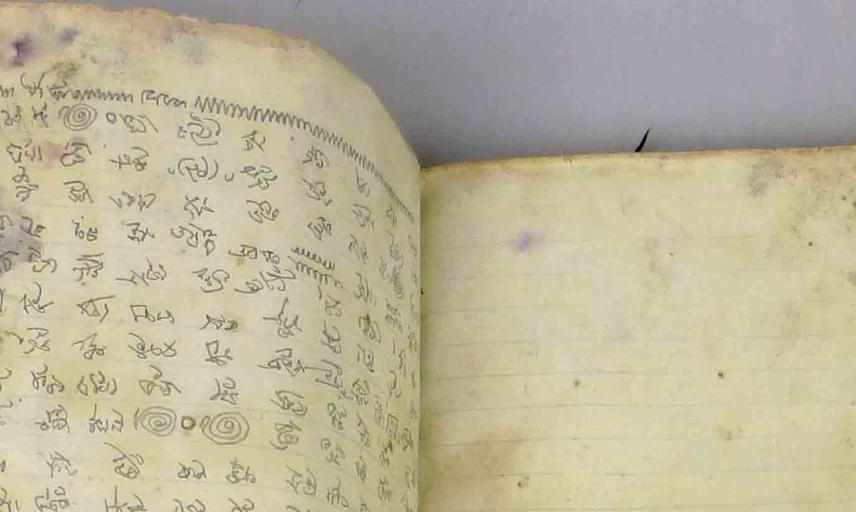
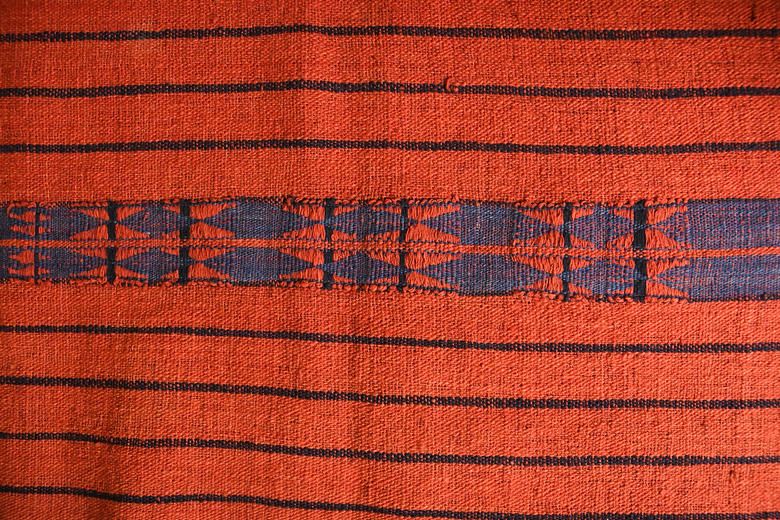
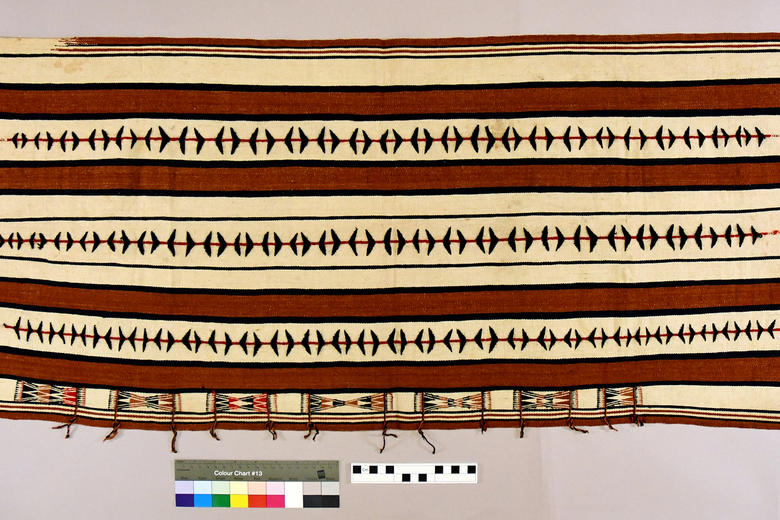
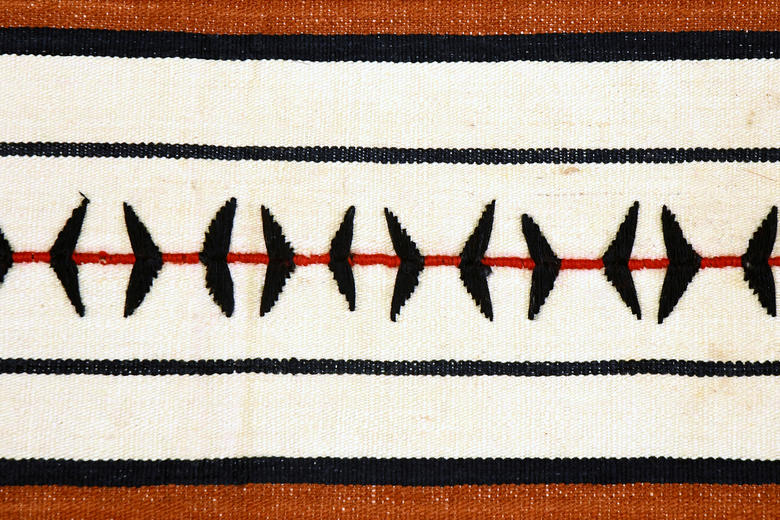
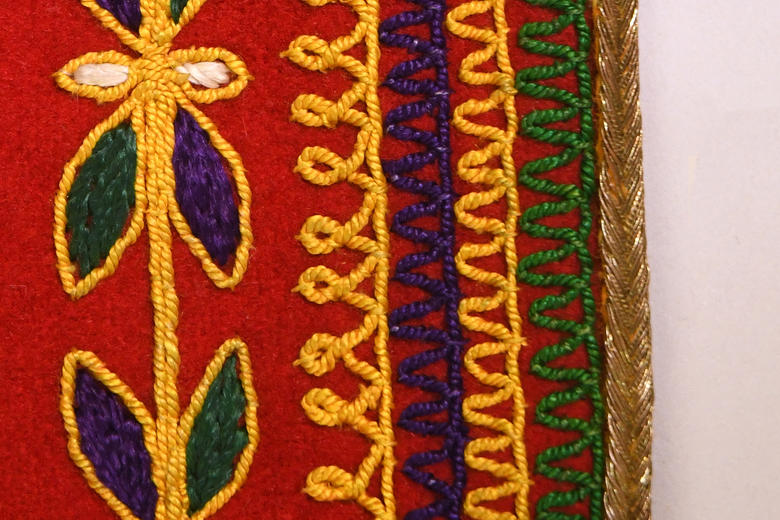
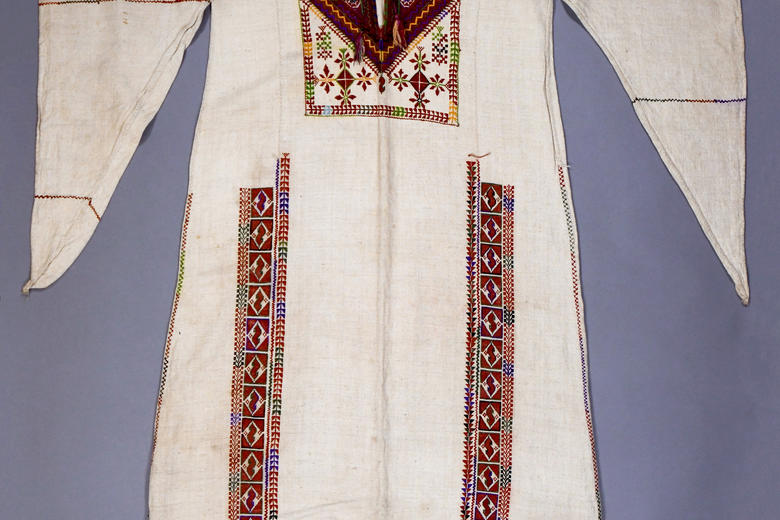
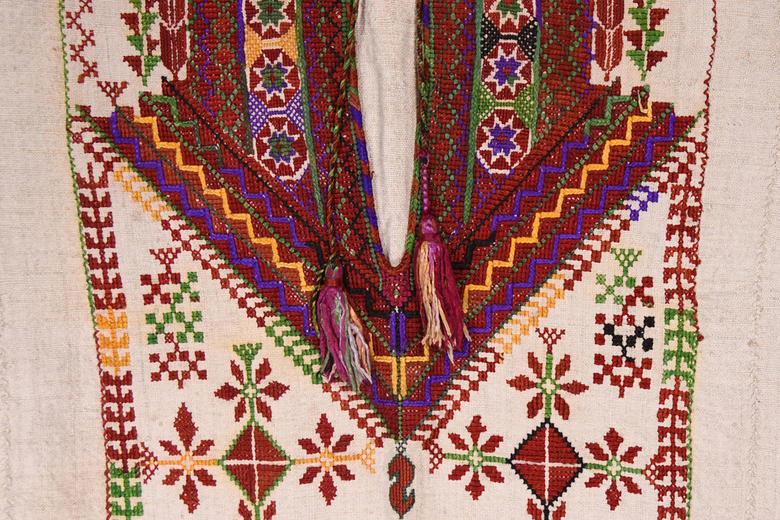
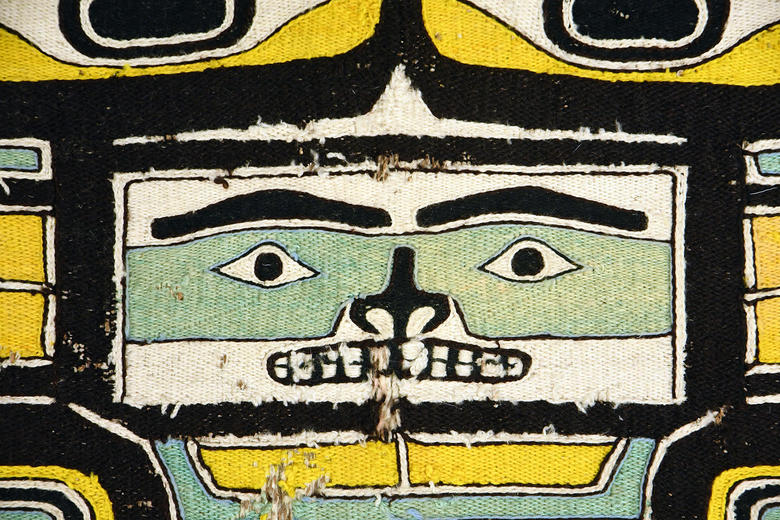
The Talking Threads Project (2020-2021), funded by Arts Council England, brought together collections documentation and research with community access and engagement to highlight selected areas of this incredible collection. The team focused on textiles from Naga communities in Northeast India, from the First Nations of the Pacific Northwest Coast of America, and Palestinian clothing from the region now spanning Palestine, Israel, and parts of Syria and Jordan.


https://www.youtube.com/embed/uBujp_zpTKU?si=SzE8PwIDQXRikVZD


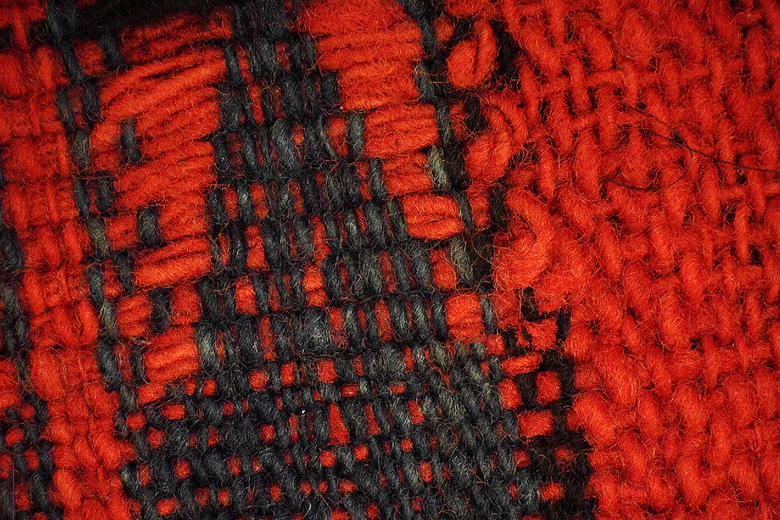
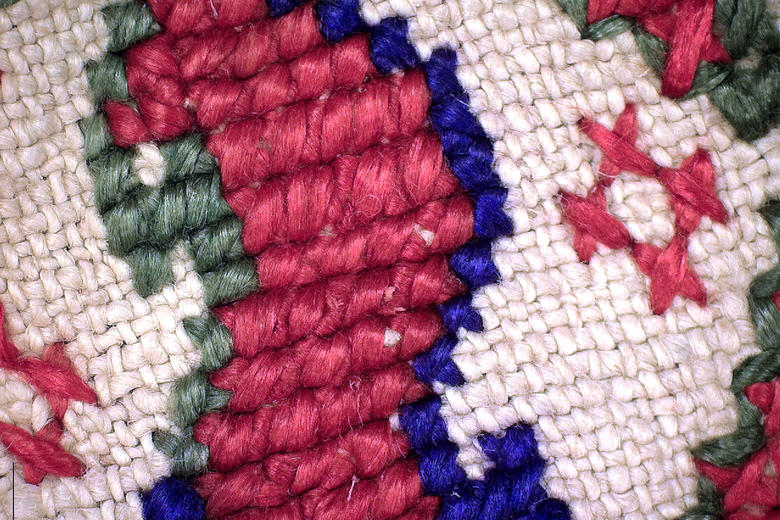
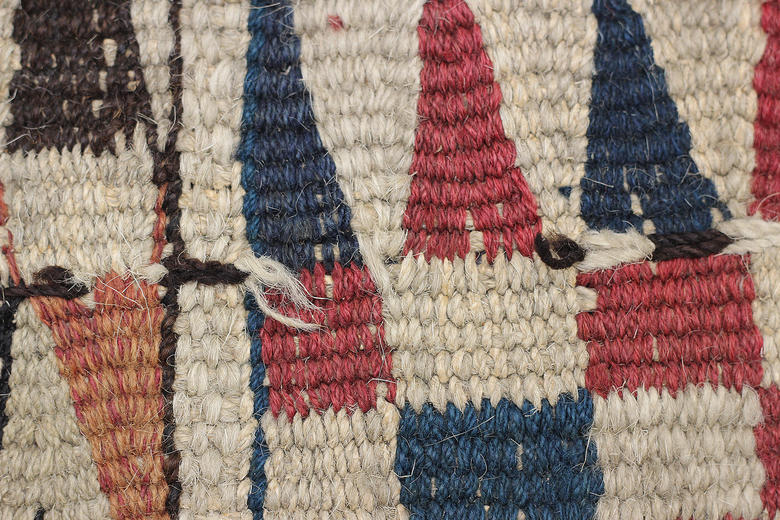
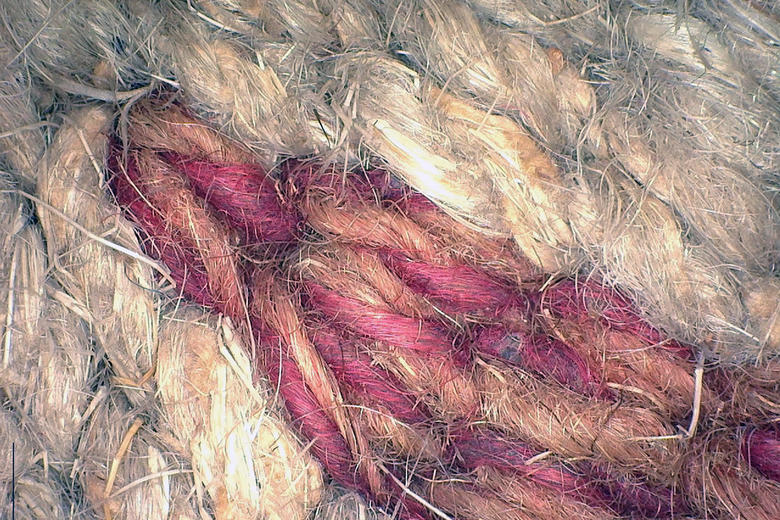
Textile items have been photographed and catalogued in detail, paying particular attention to materials used and techniques of weaving, embroidery and construction. This work was then widely shared with identified communities through email communication, video link, and even WhatsApp, navigating working conditions during the Museum's closure in the COVID-19 pandemic.

With the help of a newly constructed digital setup in the museum’s research space in 2021, the team were able to conduct virtual textile sessions with communities in India, Canada and Palestine. As well as showing live images through digital cameras and a digital microscope, these sessions enabled participants to engage in conversations about the production, use and significance of the textiles both historically and in the present day.

It has become clear through working on these collections, that textiles items from each of the three areas do not only have great aesthetic value and historical significance, but can be expressions of social, financial and marital status, of cultural, religious, political or geographical affiliation, and can be very revealing on ideas of beauty, fashion, gender and identity. Through empowering those with lived experience to describe and interpret textiles in their own words, the stories the items tell become so much more meaningful.


The information provided on this page reflects the research, understanding, and community views shared in the duration of the project. View Collections Online to see available records and for contacting the Museum regarding information about particular items. 


With thanks to funding from the Arts Council England.

Arts Council England Logo